In the fast-paced world of logistics and trucking, ensuring that box trucks operate at peak efficiency is more crucial than ever. For fleet managers and logistics providers, roll-up doors serve as a vital gateway, enabling the seamless loading and unloading of goods. However, these mechanisms are often overlooked, leading to common issues such as stuck doors, broken components, and misalignment. Neglecting roll-up door maintenance can not only hinder operations but also pose safety risks, increase repair costs, and result in delayed deliveries. With the complexities of modern supply chains, it is imperative for trucking company owners and logistics providers to prioritize the upkeep of these essential components.
This comprehensive guide is designed to equip you with valuable insights and practical steps to troubleshoot and repair roll-up doors effectively. From understanding the mechanics behind roll-up doors to identifying early warning signs of wear and tear, this resource aims to keep your fleet running smoothly. For those seeking additional guidance on maintaining fleet efficiency, be sure to explore our blog for further insights and tips.
Common Issues with Roll-Up Doors on Box Trucks
Roll-up doors are a vital component of box trucks, providing ease of access to the cargo area. However, they can encounter several issues that may affect their functionality and overall safety. Here are some common problems faced with roll-up doors:
- Dents and Dings: Frequent contact with loading equipment, other vehicles, or improper handling can lead to dents, which may compromise the integrity of the door.
- Mechanical Failures: Problems may arise with the lifting mechanisms, such as broken springs, frayed cables, or malfunctioning motors. These failures can result in the door becoming stuck or difficult to operate.
- Latch Issues: Worn or damaged latches can prevent the door from securing properly, posing a safety risk during transportation.
- Track Misalignment: Over time, the tracks that guide the door can become misaligned due to wear or external impacts, causing operational difficulties.
- Seal Degradation: Poor seals can lead to water intrusion or energy loss in insulated vehicles, affecting cargo effectiveness.
For further tips on repairing these issues, check out our comprehensive guide on roll-up door repairs.
Essential Safety Protocols for Repairing Roll-Up Doors
1. Personal Protective Equipment (PPE)
When repairing roll-up doors, safety must be the utmost priority. Fleet managers and operators should ensure that all personnel involved in the repair process wear the appropriate Personal Protective Equipment (PPE), including:
- Safety helmets to guard against head injuries from falling objects.
- Cut-resistant gloves to protect hands while handling sharp or heavy components.
- Safety goggles to shield eyes from debris or hazardous materials.
- Steel-toed boots to protect feet from heavy objects that may be dropped.
2. Electrical Safety
Before commencing any electrical repairs, it is vital to disconnect power to the door’s motor. This can prevent accidental electrocution. Use insulated tools to minimize the risk of shock during electrical work. Always ensure that someone is on standby to swiftly restore power in case of emergency situations.
3. Structural Integrity Checks
Before starting repairs, assess the roll-up door’s structure. This includes checking the balance system and any springs that store significant potential energy. Repairs should never be attempted while the door is still under tension. All adjustments should be made by qualified personnel trained in door mechanisms to avoid serious injuries.
4. Safety Device Verification
All safety devices, such as emergency stop buttons and safety sensors, should be tested and confirmed to be functioning properly prior to any repair work. Such devices are critical in preventing accidents. Avoid bypassing these mechanisms as they are designed to protect users and equipment during operation.
5. Professional Assistance
For complex repairs involving electrical systems or high-tension components, it’s crucial to engage trained professionals. This is especially important for operations involving motors, control systems, or balance springs, which can be hazardous if improperly handled.
Maintenance and Monitoring
Regular inspections of roll-up doors should be part of overall maintenance to ensure they operate safely and efficiently. Any signs of wear or malfunction should be addressed immediately to prevent further complications.
Summary
By adhering to these safety protocols-wearing the appropriate PPE, ensuring electrical safety, checking structural integrity, verifying safety devices, and involving professionals in complex repairs-fleet managers can significantly reduce the risks associated with repairing roll-up doors.
For more information on maintenance practices, check out our article on building an emergency repair fund for truck owners as it discusses financial preparedness for unexpected repairs.
Step-by-Step Repair Procedure for a Roll-Up Door on a Box Truck
Repairing a roll-up door on a box truck is essential for maintaining security and ensuring smooth operations in logistics and freight services. This guide provides a detailed procedure to assist fleet managers and trucking company owners in conducting the repair efficiently.
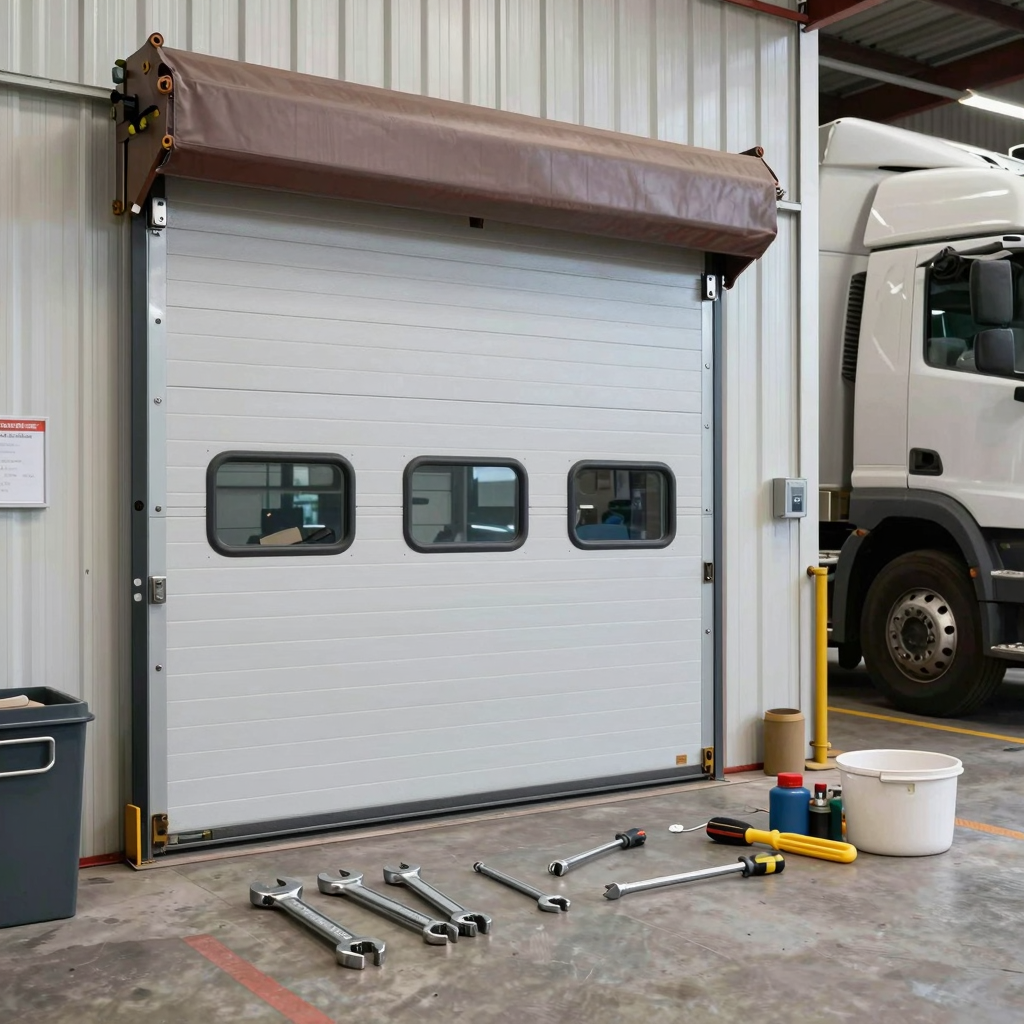
1. Gather Tools and Equipment
Before beginning the repair, ensure you have the following tools at hand:
- Socket wrench set
- Screwdrivers (flathead and Phillips)
- Lubricant spray (preferably silicone-based)
- Replacement rollers/springs (specific to the truck model)
- Safety glasses and gloves
- Ladder (if necessary)
For more tips on equipment maintenance, see this blog on routine truck maintenance.
2. Safety Precautions
- Secure the Area: Park the truck on a flat surface and engage the parking brake.
- Lock the Door: Ensure the roll-up door is locked in its open position to prevent accidents during the repair process.
- Use Protective Gear: Wear safety glasses and gloves to protect against sharp edges and debris.
3. Inspect the Door and Tracks
Begin the process by assessing the door for visible damage:
- Check for Misalignment: Inspect the vertical tracks for any bends or misalignment that may obstruct the door’s movement.
- Examine Rollers and Springs: Look for worn or damaged rollers and verify the condition of the torsion springs. If the springs appear broken or rusty, replacement is necessary.
- Identify Jamming Issues: Clear debris or dirt from the tracks to help diagnose jamming problems. For persistent issues, refer to the roll-up door troubleshooting guide.
4. Dismantle the Door Assembly
To access the internal components:
- Remove the Door Panel: Use your screwdriver and socket wrench to detach the door panel from its hinges. Start at the top and work your way down.
- Unscrew Track Mountings: If the tracks are misaligned, unscrew them from the support brackets on both sides of the door frame. Keep all screws and fittings in a safe place for reassembly.
- Lift Out Rollers: Carefully detach the rollers from the tracks to inspect them for wear. Replace any that are damaged.
5. Replace Rollers and Springs
- Install New Rollers: Insert the replacement rollers into the tracks and ensure they are seated properly. Secure with screws if applicable.
- Adjust Torsion Springs: If your door uses torsion springs, readjust or replace them. Be cautious with high-tension springs; consider calling a professional if you lack experience.
6. Reassemble the Door
- Reattach Tracks: Align the tracks correctly and screw them back into place, ensuring they are securely mounted.
- Reinstall the Door Panel: Position the door panel back onto its hinges and tighten all screws to secure it in place.
7. Lubricate Moving Parts
Apply lubricant spray to the rollers, hinges, and tracks to ensure smooth operation of the door. Make sure to use a silicone-based lubricant to avoid attracting dirt.
8. Test the Repair
- Manual Operation Test: Before finalizing, test the manual operation of the door. Ensure it moves smoothly without resistance.
- Final Adjustments: Adjust the tension of the springs if necessary and check for any remaining misalignment.
9. Documentation and Regular Maintenance
Record the repairs performed and schedule future maintenance checks. Regular inspection can prevent further issues, as indicated in this article on building an emergency repair fund.
Conclusion
Regular maintenance and timely repairs of a roll-up door ensure operational efficiency in trucking and logistics. By following this step-by-step guide, fleet managers and operators can effectively handle repairs while minimizing downtime.
| Part Name | Price (USD) | Supplier |
|---|---|---|
| Roll-Up Door Repair Kit (Todco) | $69.95 | Mill Supply, Inc. |
| Repair & Maintenance Parts (Various) | Varies | eBay |
| Back Panel with Roll-Up Door (40’x80′) | $1,299.00 | eBay |
| Self-Repairing Rapid Roll-Up Door (Forklift Use) | $800.00 – $1,800.00 | GoldSupplier |
| High-Speed Rolling Shutter Door (Cold Storage) | $1,000.00 – $2,800.00 | GoldSupplier |
User Testimonials on Roll-Up Doors Repair
The operational efficiency of logistics providers can significantly improve through effective roll-up door maintenance and repair. Here are several case studies and testimonials that highlight the positive impacts:
Improved Operational Efficiency
Executive testimonials from a logistics survey conducted by Supply Chain Dive emphasized that facilities employing dedicated roll-up door maintenance services achieved an astounding 25% improvement in loading/unloading cycle times. This improvement stemmed from reduced door failure rates due to proactive maintenance strategies.
Significant Downtime Reductions
According to a compelling case study published in Logistics Management, a major e-commerce fulfillment center in Ohio reported a 30% reduction in repair costs after implementing comprehensive door management practices. Over six months, unplanned outages fell to zero, allowing for consistent and safe workflow.
Cost Savings and Return on Investment
In another instance, a European cold storage logistics provider noted a 40% decrease in door-related operational disruptions, thanks to a structured maintenance program. The annual savings on repairs exceeded €28,000, showcasing how strategic door management equates to both financial and operational benefits.
Performance Metrics Overview
| Category | Details |
|---|---|
| Operational Efficiency Improvement | 45% decrease in unplanned downtime due to regular assessments and timely repairs. |
| Repair Cost Reduction | 30-35% reduction in repair costs over a three-year period through proactive maintenance. |
| Maintenance Frequency | Recommended: Monthly visual inspections and quarterly professional servicing. |
| Key Performance Indicator (KPI) | Reduction of annual downtime from 12 hours to less than 6.6 hours. |
These testimonials demonstrate that investing in the maintenance of roll-up doors can yield substantial benefits in productivity and cost management for logistics providers.
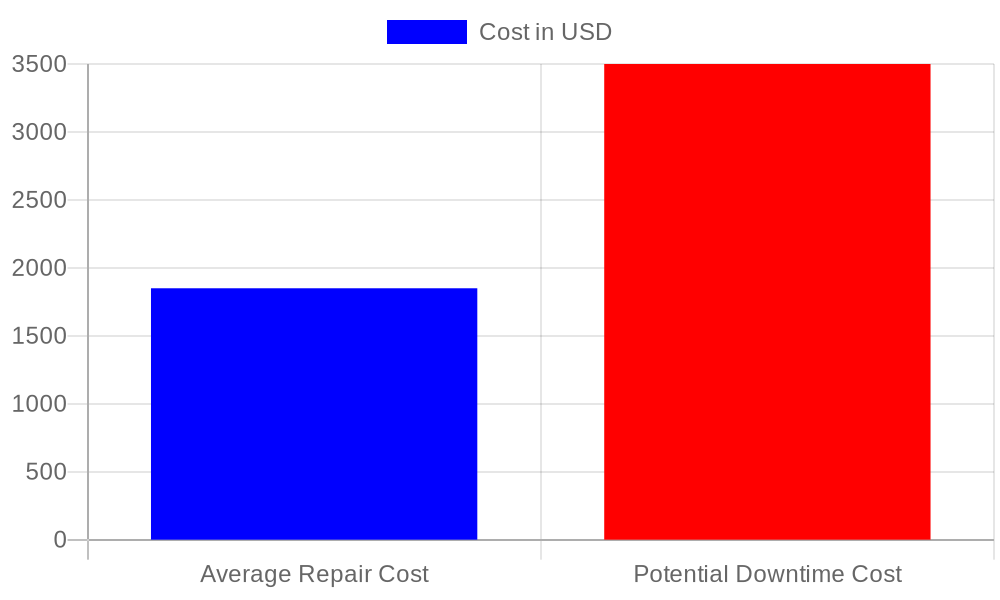
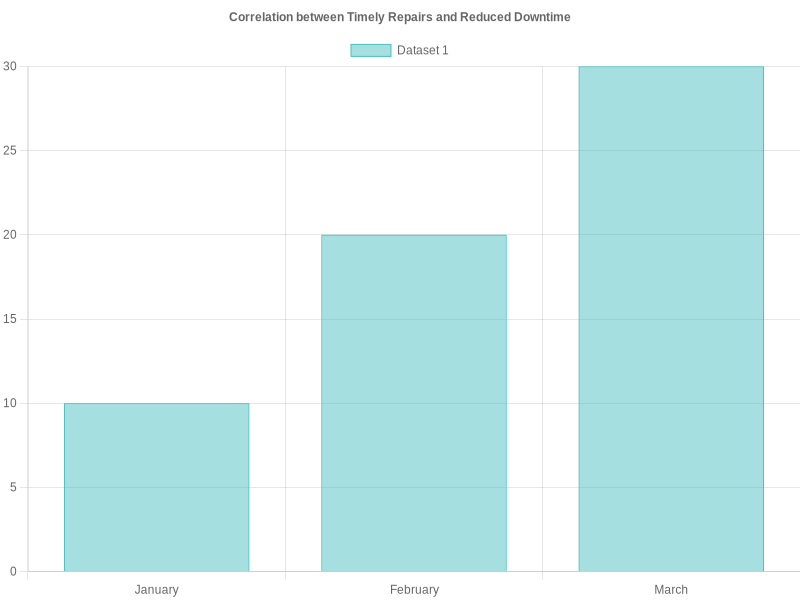
This chart illustrates the comparison between the average repair costs for roll-up doors, ranging from $1,200 to $2,500, and the potential costs of downtime due to door failure, which can vary from $1,500 to $5,000 per hour. The data shows that timely repairs can significantly mitigate potential financial losses from operational downtimes.
Conclusion: The Necessity of Timely Roll-Up Door Repairs
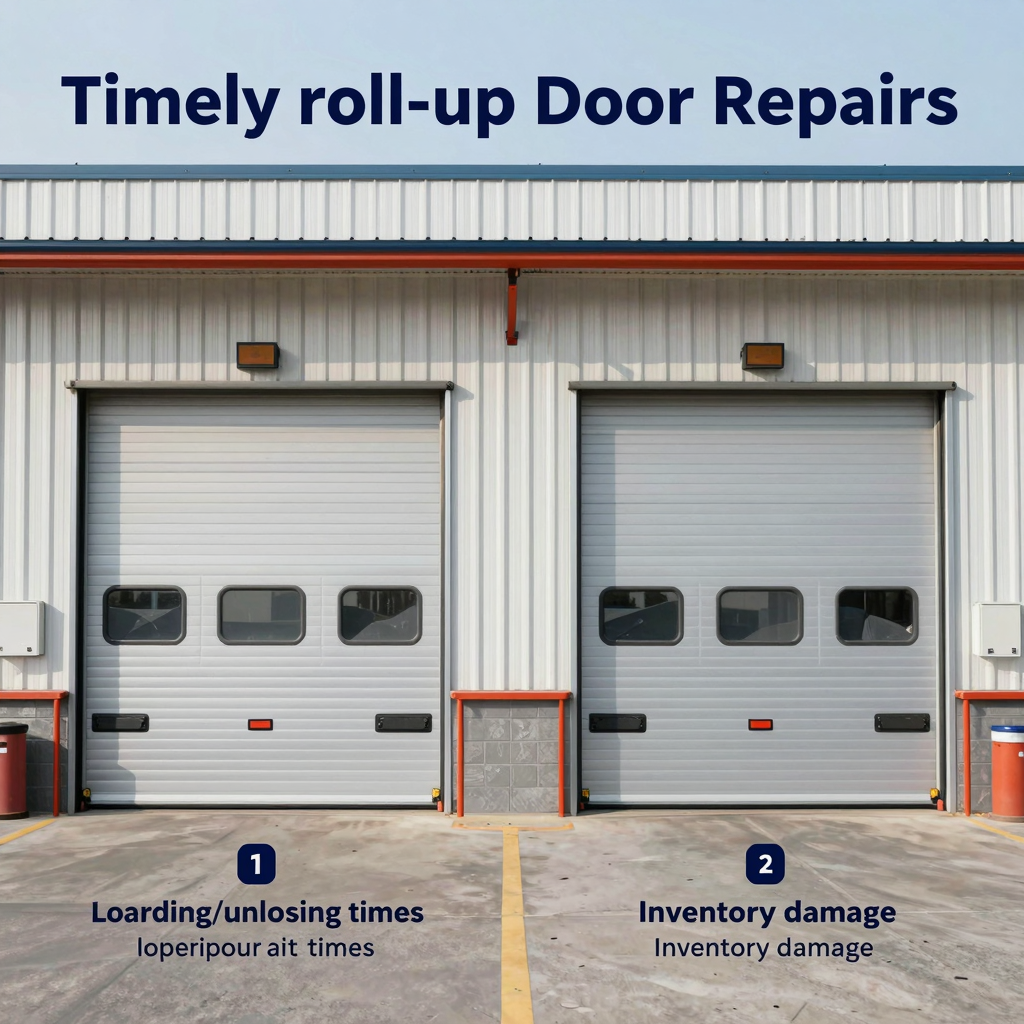
In conclusion, the integrity and functionality of roll-up doors are critical components in the seamless operation of logistics and trucking operations. A timely repair can significantly reduce loading and unloading times, minimize the risk of inventory damage, and enhance overall safety. According to recent reports, companies that proactively address roll-up door issues can decrease operational disruptions by up to 60%, dramatically improving delivery schedules and customer satisfaction. On the other hand, neglecting these repairs can lead to substantial costs-averaging $28,000 annually per facility due to lost productivity and increased emergencies. This statistic speaks to the importance of maintenance as not just a cost, but an investment in efficiency and safety.
If you want to avoid the potential pitfalls associated with delayed repairs and ensure that your operations run smoothly, consider Summit Fairings for your roll-up door repair parts. With our high-quality, durable components, you can restore confidence in the functionality of your fleet’s roll-up doors swiftly. Don’t wait until minor issues escalate into costly repairs. Visit Summit Fairings today to explore our range of repair parts and keep your operations on the right track!
Expert Insight on Fleet Maintenance
“We once suffered from neglecting quarterly inspections of our roll-up doors, which caused a failure in our cold chain warehouse door and led to a temperature control loss of over 150,000 yuan. This made us realize that maintenance isn’t just about extending the equipment’s life; it’s crucial in preventing significant operational risks.”
- Senior Industrial Facility Manager, as cited in Industrial Door Solutions Hub.
Maintaining fleet equipment, particularly roll-up doors, is a fundamental aspect of ensuring seamless operations in logistics and transportation. Neglecting these elements can lead to unexpected downtime and costly repairs. Therefore, it is advisable for fleet managers to implement a regular maintenance schedule for their equipment to avoid operational disruptions and enhance safety.